
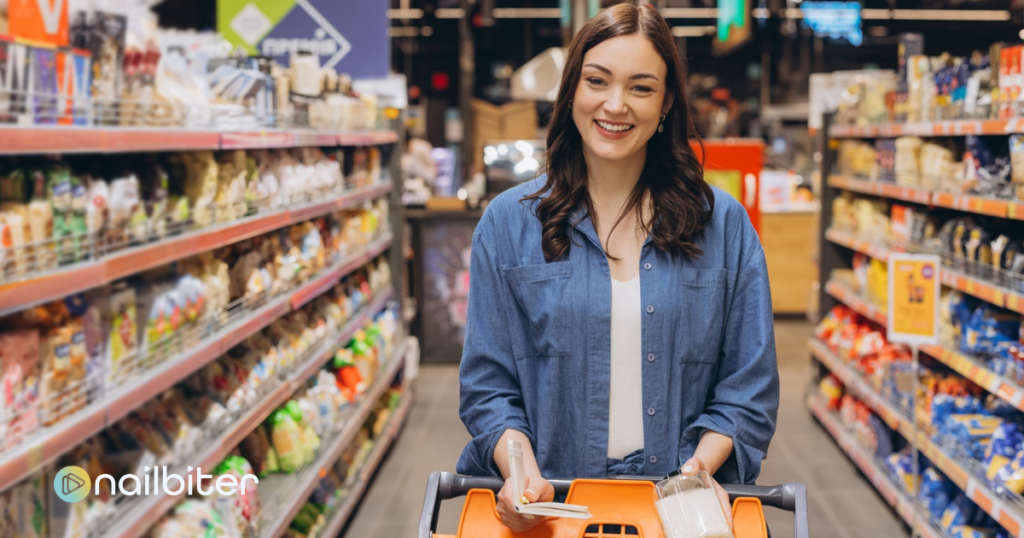
Think about the last time you went to the store for one thing and walked out with something completely different. You didn’t plan it. You didn’t agonize over it. It just happened. Now ask yourself: whose brand just won, and why?
That answer, the one that lives in the moment between intention and action, is where the most valuable competitive ground in CPG sits. And most brands aren’t even looking for it.
The Battleground Nobody Talks About
Brand teams spend enormous energy on awareness, distribution, and price. These are table stakes, important, yes, but increasingly insufficient. The real competition happens in a space that’s much harder to see: the lived moment of the shopper’s life when context quietly rewrites the rules of choice.
A newly married shopper makes different trade-offs than the version of themselves two years prior. A consumer who just got a promotion reaches for something they would have passed on a month ago. Someone standing in the snack aisle at 9 p.m. is operating with an entirely different decision mindset than that same person at 8 a.m. None of this shows up in a survey. None of it is captured in a brand tracker. And yet, it drives whether your brand ends up in the basket or stays on the shelf.
This is the hidden battleground, and it’s where the smartest brands are competing right now.
Context Is Not a Soft Insight. It’s a Hard Driver of Growth.
Market research rests on a stubborn assumption: if you understand who your shopper is, you understand how they’ll behave. Demographics, psychographics, segmentations- all useful lenses, but all fundamentally incomplete.
What drives a decision isn’t who someone is. It’s what’s happening in their lives in the moments surrounding the purchase.
Consider four forces that shape shopper behavior in ways that defy traditional measurement. Life stage transitions create windows of openness that brands rarely exploit. A household moving from “single” to “family with young children” doesn’t just buy more; it also reconsiders everything. Their entire basket is up for renegotiation. Brands that show up in that moment with the right product, in the right channel, and framed the right way can earn loyalty that lasts for years. Miss the window, and the default goes to whoever was already on the shelf.
Economic shifts do something similar, but more nuanced than most brands assume. As consumers move into or out of economic tiers, they don’t just add or cut products uniformly. Categories enter the basket first. Then brand preferences expand. Understanding those leading indicators- the behavioral signals that precede the shift- is the difference between being the brand that captures the trade-up and the brand that gets displaced during the trade-down.
Adjacency context is the insight that decisions don’t happen in isolation. A primary choice- what’s for dinner tonight, where to fuel the car, which item to grab for the kids- creates a cascade of follow-on choices in adjacent categories. Brands that understand how they fit into that chain of decisions can position themselves not just as a product, but as the natural next step in a shopper’s momentum. Brands that ignore this leave enormous growth on the table because they’re thinking in categories instead of moments.
And then there’s circadian rhythm, perhaps the most counterintuitive of all. The same shopper follows fundamentally different decision rules at different times of day. Morning decisions tend to be more deliberate, more planned, more loyal to established choices. Evening decisions are more reactive, more prone to switching, more susceptible to what’s present and prominent in the moment. If your brand’s strategy doesn’t account for when the decision is being made, not just who is making it, you’re applying the same playbook to two completely different games.
The Say-Do Gap Is Killing Your Insights
Here’s the uncomfortable truth about traditional research: people cannot accurately report what they actually did, or why. They reconstruct. They rationalize. They give you the answer that sounds right, not what happened in the moment. This is the say-do gap, and it’s not a flaw in your respondents; it’s a fundamental feature of human memory and decision-making.
The only way to truly understand what drives behavior at the moment of truth is to see it. Real behavior, in real context, captured as it happens. Not recalled, not reconstructed, observed.
This is why the most sophisticated brands are moving away from purely survey-based insight and toward behavioral research methodologies that can capture the moment itself: what the shopper reaches for, how long they pause, what they say aloud when no one is scripting the answer. When you see the real tradeoffs being made in real time, the picture looks very different from what you’d expect.
Small Moments, Big Implications
None of the four context forces described above requires a shopper to do something dramatic. Life stage changes happen quietly. Economic shifts accumulate gradually. A shopper standing in the snack aisle at night has no idea they’re 3.3 times more likely to stick with their default choice than they were this morning. These are not loudly visible market disruptions; they are small, invisible inflection points that are happening constantly, across your category, in stores and on screens everywhere your shoppers interact with your brand.
The brands that win on the hidden battleground learn to see these moments before their competitors do. Not because they have better instincts, but because they have better evidence. They know which context is driving change in their specific category, with their specific shoppers, right now, not six months ago when the research was fielded.
What This Means for Your Brand
The strategic question is not whether these moments are happening. They are. The question is whether your brand has the tools to find them, understand them, and act on them faster than the competition.
Where are the life stage windows in your category that your brand is systematically missing? What economic signals should you be watching as leading indicators of basket behavior? Which adjacent decisions is your product a natural follow-on to, and are you positioned there? What does your shopper’s decision-making look like at 7 a.m. versus 10 p.m., and is your approach accounting for the difference?
These are not rhetorical questions. They are the competitive questions that will define which brands grow and which ones plateau over the next five years. The hidden battleground is real; it is active, and right now, it is wide open.
Find out what videometrics can do for your brand.
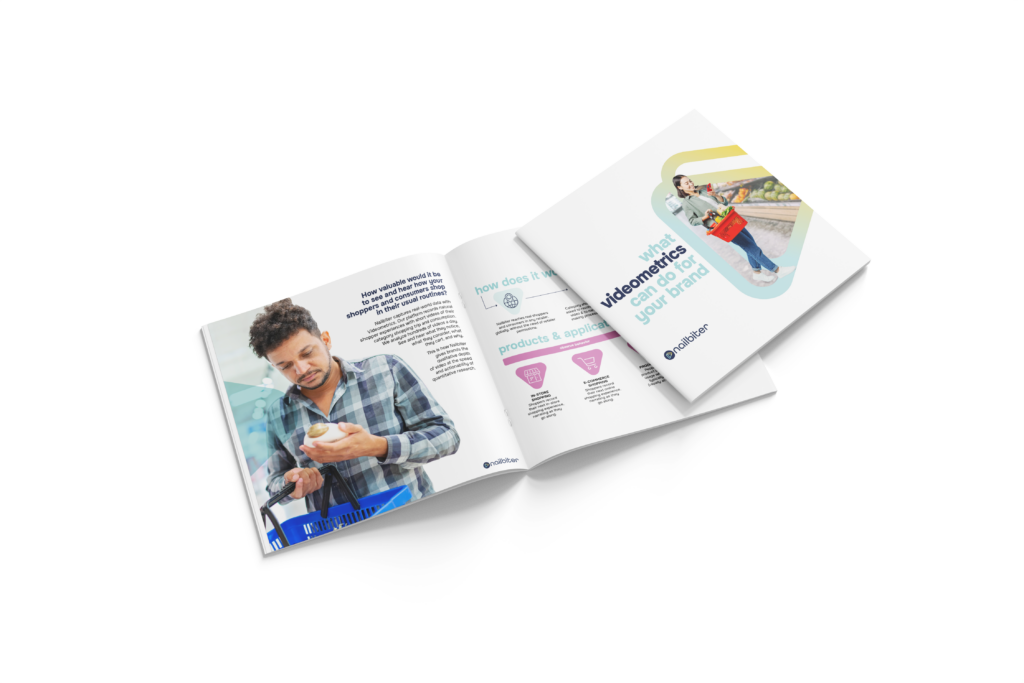
Nailbiter’s Videometrics platform captures real shopper behavior at the moment of truth, globally, quantitatively, and in context. If you’re ready to see what’s actually driving decisions in your category, we’d love to show you what that looks like. Reach us at info@nailbiter.com.